
Traveling to a World Cup is not just about watching football.
Traveling to a World Cup is not just about watching football.
It means navigating overwhelmed cities, making decisions under pressure, and sustaining the excitement without letting logistics drain it.
Because a World Cup is experienced in the stadium… but often, it falls apart long before you even get there.
Watching football is easy. Traveling to a World Cup is not.
Many fans assume traveling to a World Cup is just like any other trip… just with matches included.
But a World Cup does not operate under standard travel logic. no funciona con lógica turística normal.
📍 Everything scales — fast::
crowds, pricing, travel times, distances, fatigue — and the margin for error.
And when no one explains it to you, the impact hits once you’re already there.
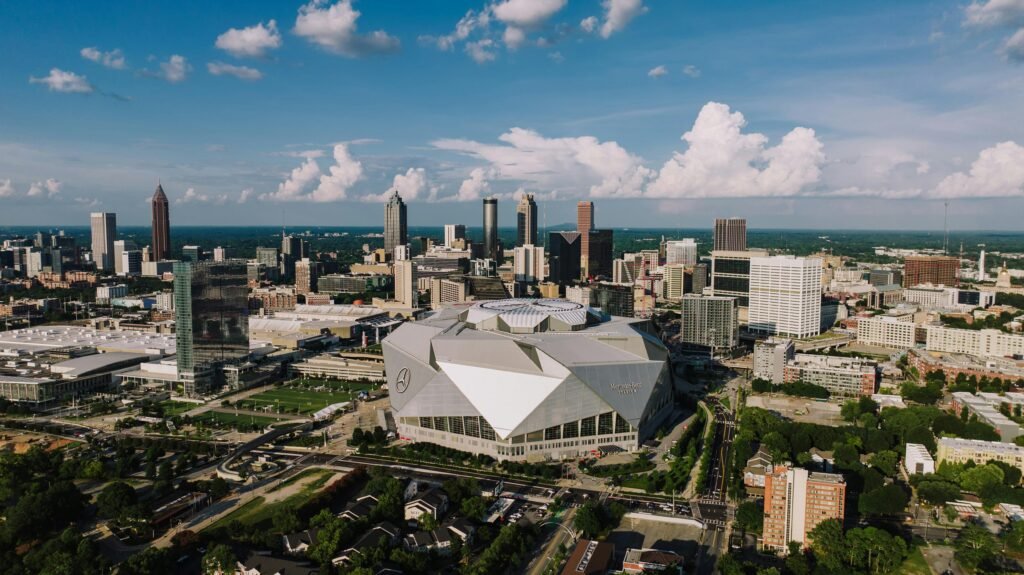
In countries like the United States —host of the next World Cup—many stadiums are far from main tourist areas, poorly connected, and have limited access on match days.
Add to that:
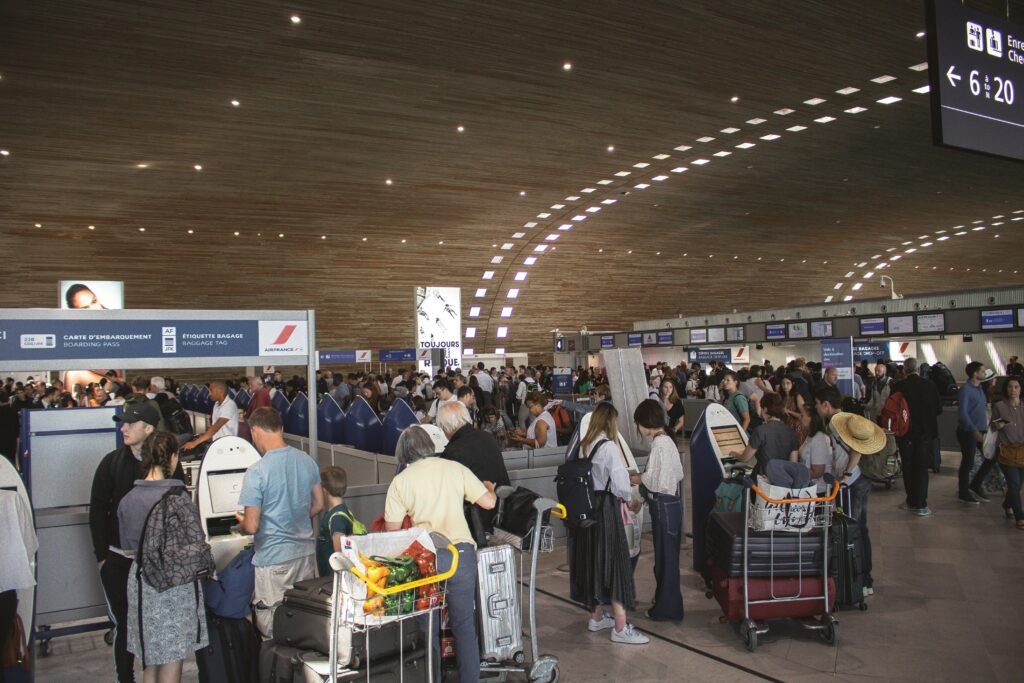
- overloaded airports
- long transfers
- strict security controls
- and a city that keeps running… while you’re racing against the clock.
The Most Common Mistakes When Traveling to a World Cup
- Buying tickets without planning where you’ll stay after the match.
- Choosing hotels based on price without considering strategic location.
- Underestimating distances between host cities and venues
- Assuming Uber or taxis will be an easy solution (when demand drives prices up)
- Failing to plan for meals, rest, and recovery between matches
- Thinking all matches are the same, when value and importance depend on who is playing.
Official FIFA tickets don’t work like concert tickets.
Traveling on Your Own vs. Traveling with Specialized Planning
Traveling independently may feel more flexible.
But during a World Cup, freedom without structure comes at the cost of stress..
- If everything goes well, you enjoy it
- You improvise
- If things go wrong, you lose energy… and once-in-a-lifetime moments
Specialized planning doesn’t remove the emotion.
It protects it.
Because someone has already planned:
- transfers
- real schedules
- match-based ticket strategy
- hotel positioning
- recovery time
- and everything that happens before and after the stadium experience.
Many fans arrive at the World Cup repeating the same mistakes: copying someone else’s tripwithout understanding that their context, budget, and energy are completely different.
“At a World Cup, true luxury is not your seat location — it’s the peace of mind with which you arrive to it.”
At Ideas Journey, we’ve supported travelers across four World Cups,following Ecuador and designing experiences where football is enjoyed —
without logistics becoming the enemy.
We don’t present this as a credential.
We share it as real, lived experience.
At a World Cup —as in any tailor-made journey—the experience doesn’t start in the stadium. It starts with the decisions you make before traveling.
A World Cup is remembered for what you felt — not what you survived
Football is already intense enough.
Your trip shouldn’t be.
When everything is well planned, the experience flows.
And when it flows, the memory stays with you.
Before deciding how to travel to a World Cup, ask yourself one honest question:
Do I want to prove I was there… or truly experience it?
If you want to understand how FIFA hospitality tickets work, take a look at: